Language:en 
- zh-cn
- en
- ja
- fr
- ko
- de
- pt-pt
- es
FLAM Electronics


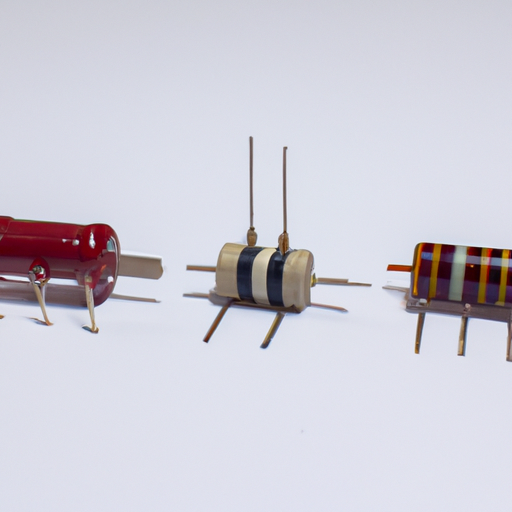
Resistors are fundamental components in electronic circuits, designed to limit the flow of electric current. They are passive devices that convert electrical energy into heat, thereby controlling the voltage and current within a circuit. Resistors are characterized by their resistance value, measured in ohms (Ω), which determines how much they resist the flow of current.
Resistors play a crucial role in various applications, including voltage division, current limiting, and signal conditioning. They are essential for protecting sensitive components from excessive current, ensuring that circuits operate within their specified parameters. Without resistors, electronic devices would be prone to failure due to overcurrent conditions.
In electronic schematics, resistors are represented by specific symbols that convey their function and characteristics. Understanding these symbols is vital for anyone working with electronic circuits, as they provide a visual representation of how resistors interact with other components.
The standard symbol for a resistor is a zigzag line, which represents the resistance in a circuit. This symbol is universally recognized and is used in circuit diagrams to indicate where resistors are located.
While the zigzag symbol is the most common, variations exist depending on the type of resistor. For instance, variable resistors, such as potentiometers, are often depicted with an arrow indicating the adjustable part of the resistor.
Fixed resistors have a constant resistance value and are represented by the standard zigzag symbol. They are the most commonly used resistors in electronic circuits.
Variable resistors can change their resistance value. Potentiometers are used for adjusting voltage levels, while rheostats are used for controlling current. Their symbols include an arrow to indicate the adjustable feature.
Special resistors, such as thermistors and photoresistors, have unique characteristics that change with temperature or light exposure. Their symbols often include additional markings to indicate their specific functions.
Resistors come in various types, each suited for different applications. The most common categories include:
These resistors are made from a carbon film deposited on a ceramic substrate. They are known for their stability and low cost, making them popular in general-purpose applications.
Metal film resistors offer better precision and stability than carbon film resistors. They are often used in applications requiring high accuracy and low noise.
Wirewound resistors are constructed by winding a metal wire around a ceramic core. They can handle high power levels and are commonly used in power applications.
Surface mount resistors are designed for automated assembly and are used in compact electronic devices. They are available in various sizes and resistance values.
Vishay Intertechnology is a leading manufacturer of discrete semiconductors and passive components, including resistors. They are known for their high-quality products and extensive range.
Vishay Dale: Known for their precision and reliability, these resistors are widely used in industrial and consumer applications.
Vishay Sfernice: Specializes in high-performance resistors, particularly for military and aerospace applications.
Yageo is a global leader in passive components, including resistors, capacitors, and inductors. They focus on innovation and quality.
Yageo RC Series: These carbon film resistors are known for their reliability and are commonly used in various electronic applications.
Panasonic is a well-known electronics manufacturer that produces a wide range of components, including resistors. They emphasize quality and performance.
Panasonic ERJ Series: These surface mount resistors are recognized for their compact size and high reliability, making them ideal for modern electronic devices.
Bourns is a manufacturer of electronic components, including resistors, potentiometers, and sensors. They are known for their innovative designs and high-quality products.
Bourns 3300 Series: These precision resistors are widely used in applications requiring high accuracy and stability.
Kemet is a global leader in passive components, particularly capacitors and resistors. They focus on providing high-performance solutions for various industries.
Kemet R Series: These resistors are known for their reliability and are used in a wide range of applications, from consumer electronics to industrial equipment.
Resistors come in various resistance values, typically ranging from a few ohms to several megaohms. Tolerance indicates how much the actual resistance can vary from the stated value, with common tolerances being ±1%, ±5%, and ±10%.
Power rating indicates the maximum power a resistor can dissipate without overheating. It is crucial to select a resistor with an appropriate power rating for the application to prevent failure.
The temperature coefficient indicates how much a resistor's resistance changes with temperature. Low-temperature coefficients are desirable for precision applications.
Resistors are available in various sizes and packaging options, including through-hole and surface mount. The choice of packaging depends on the application and available space on the circuit board.
Different resistor models are suited for specific applications. For example, wirewound resistors are ideal for high-power applications, while surface mount resistors are preferred for compact electronic devices.
Consider the specific requirements of your application, including resistance value, power rating, and tolerance.
Evaluate the environmental conditions in which the resistor will operate, such as temperature and humidity, to ensure reliability.
While quality is essential, cost is also a factor. Compare different models and brands to find a balance between performance and price.
Ignoring Power Ratings: Always ensure the resistor can handle the power it will dissipate.
Overlooking Tolerances: Choose a resistor with an appropriate tolerance for your application.
Neglecting Environmental Factors: Consider how temperature and humidity may affect resistor performance.
For those looking to deepen their understanding of resistors, numerous resources are available, including manufacturer websites, electronics textbooks, and online forums.
Resistors are vital components in electronic circuits, serving to control current and voltage. Understanding their symbols is essential for anyone involved in electronics.
This blog post has highlighted several popular resistor models from leading brands, each offering unique features and benefits for various applications.
As technology continues to evolve, the importance of understanding electronic components, including resistors, cannot be overstated. Whether you are a hobbyist or a professional, exploring the world of electronics can lead to exciting discoveries and innovations.
- "The Art of Electronics" by Paul Horowitz and Winfield Hill
- "Electronic Components: A Complete Reference for Project Builders" by Mark J. Balch
- Vishay: www.vishay.com
- Yageo: www.yageo.com
- Panasonic: www.panasonic.com
- Bourns: www.bourns.com
- Kemet: www.kemet.com
- Electronics Stack Exchange: electronics.stackexchange.com
- EEVblog Forum: www.eevblog.com/forum
- All About Circuits: www.allaboutcircuits.com
This comprehensive overview of popular resistor symbol product models provides a solid foundation for understanding these essential components in electronics. Whether you're designing a circuit or troubleshooting an existing one, knowing the right resistor to use can make all the difference.