Language:en 
- zh-cn
- en
- ja
- fr
- ko
- de
- pt-pt
- es
FLAM Electronics


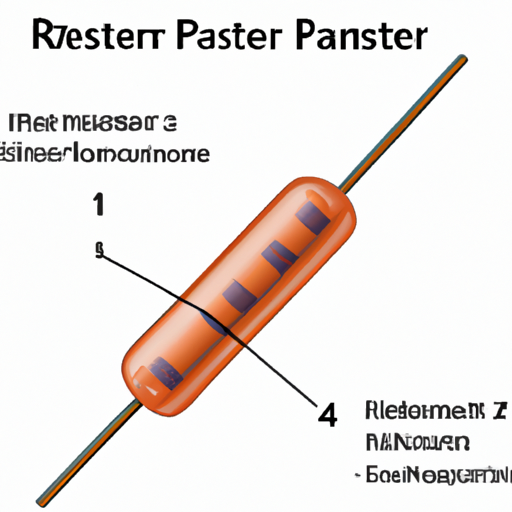
Resistor 3 represents a significant advancement in resistor technology, a fundamental component in the electronics industry. Resistors are passive electrical components that limit the flow of electric current in a circuit, playing a crucial role in controlling voltage and current levels. The evolution of resistor technology has seen a shift from simple carbon composition resistors to more sophisticated materials and designs that enhance performance, reliability, and efficiency.
Patents are vital in the electronics industry as they protect intellectual property, ensuring that inventors and companies can safeguard their innovations from unauthorized use. This protection encourages innovation and competition, allowing companies to invest in research and development without the fear of their ideas being copied. In the context of Resistor 3, the patents associated with its technology not only secure its market position but also drive advancements in resistor design and manufacturing.
Resistor 3 boasts a diverse patent portfolio that includes various types of patents, such as utility patents, design patents, and process patents. These patents cover a wide range of innovations, from material compositions to manufacturing techniques, all of which are relevant to the electronics industry. The scope of these patents extends beyond mere protection; they also serve as a foundation for future innovations in resistor technology.
One of the standout patents in Resistor 3's portfolio is its advanced material composition patent. This patent describes a unique blend of materials that enhances the performance and durability of resistors. The claims include improved resistance stability under varying temperatures and humidity levels, which is crucial for applications in harsh environments. The impact of this patent is significant, as it allows manufacturers to produce resistors that last longer and perform better, reducing the need for frequent replacements.
Another critical patent is the one related to an innovative manufacturing process. This patent outlines a method that streamlines the production of resistors, making it more cost-efficient and scalable. The claims focus on reducing waste and improving yield rates during manufacturing, which can significantly lower production costs. This innovation not only benefits Resistor 3 but also sets a new standard for the industry, encouraging other manufacturers to adopt similar practices.
The enhanced thermal management patent addresses the challenges associated with heat dissipation in high-power applications. This patent describes a design that incorporates advanced thermal materials and structures, allowing resistors to operate at higher power levels without overheating. The benefits of this technology are profound, as it enables the development of more compact and powerful electronic devices, catering to the growing demand for high-performance electronics.
Finally, the miniaturization techniques patent is a testament to Resistor 3's commitment to innovation. This patent covers methods for reducing the size of resistors while maintaining their performance characteristics. The claims emphasize the importance of miniaturization in modern electronic device design, where space is often at a premium. The influence of this patent is evident in the trend towards smaller, more efficient electronic devices, making it a crucial component of Resistor 3's patent portfolio.
The patents associated with Resistor 3 have driven significant technological advancements in resistor technology. By protecting innovative ideas, Resistor 3 has fostered an environment where continuous improvement is possible. For instance, the advanced material composition patent has led to the development of resistors that can withstand extreme conditions, making them suitable for aerospace and automotive applications. Case studies of products utilizing these patents demonstrate how they have enhanced performance and reliability in real-world applications.
Resistor 3's competitive advantage is largely attributed to its robust patent portfolio. By holding exclusive rights to key technologies, Resistor 3 can differentiate itself from competitors, offering unique products that meet specific market needs. This positioning has influenced market trends, as consumers increasingly seek high-quality, reliable components for their electronic devices. The patents not only protect Resistor 3's innovations but also shape consumer preferences, driving demand for advanced resistor technologies.
The strategic use of patents has also opened doors for collaboration and licensing opportunities. Resistor 3 has formed partnerships with other companies to leverage its patented technologies, creating synergies that benefit both parties. Licensing agreements allow other manufacturers to utilize Resistor 3's innovations, generating additional revenue streams while promoting the adoption of advanced resistor technologies across the industry.
Despite the advantages of holding patents, Resistor 3 has faced challenges related to patent infringement. Notable cases have arisen where competitors have allegedly used Resistor 3's patented technologies without authorization. These infringement cases highlight the legal complexities surrounding patents and the importance of enforcing intellectual property rights. The outcomes of these cases can have significant implications for Resistor 3's market position and overall business strategy.
The debate surrounding patent duration and scope is another challenge faced by Resistor 3 and the broader electronics industry. Proponents of long patent durations argue that they provide necessary protection for innovators, allowing them to recoup their investments. Conversely, critics contend that extended patent protections can stifle competition and hinder innovation. This ongoing debate raises important questions about the balance between protecting intellectual property and fostering a competitive market environment.
As technology continues to evolve, new trends are emerging in resistor technology. Potential areas for new patents include advancements in smart resistors that can adapt to changing conditions and the integration of resistors into flexible electronics. Predictions for the future of resistor technology suggest a continued focus on miniaturization, enhanced performance, and sustainability, with Resistor 3 likely at the forefront of these developments.
Resistor 3's contributions to industry standards and best practices cannot be overlooked. By setting benchmarks for performance and reliability, Resistor 3 influences regulatory frameworks and encourages other manufacturers to adhere to high standards. This role not only enhances the reputation of Resistor 3 but also promotes a culture of quality and innovation within the electronics industry.
In summary, the patents associated with Resistor 3 play a crucial role in shaping the future of resistor technology and the electronics industry as a whole. By protecting innovative ideas and fostering collaboration, Resistor 3 has established itself as a leader in the field. As technology continues to advance, the importance of these patents will only grow, driving further innovation and setting new standards for performance and reliability in resistor technology.
A comprehensive list of patents and relevant literature, along with additional resources for further reading on resistor technology and patents, would be included here to provide readers with avenues for deeper exploration of the topic.