Language:en 
- zh-cn
- en
- ja
- fr
- ko
- de
- pt-pt
- es
FLAM Electronics



In the world of electronics, resistor wiring equipment components play a crucial role in ensuring the proper functioning of circuits. These components, which include fixed resistors, variable resistors, and specialty resistors, are essential for controlling current flow and voltage levels in various applications. Understanding the purchasing models for these components is vital for manufacturers, engineers, and procurement professionals alike. This article aims to explore the different purchasing models available for resistor wiring equipment components, their evolution, and the factors influencing purchasing decisions.
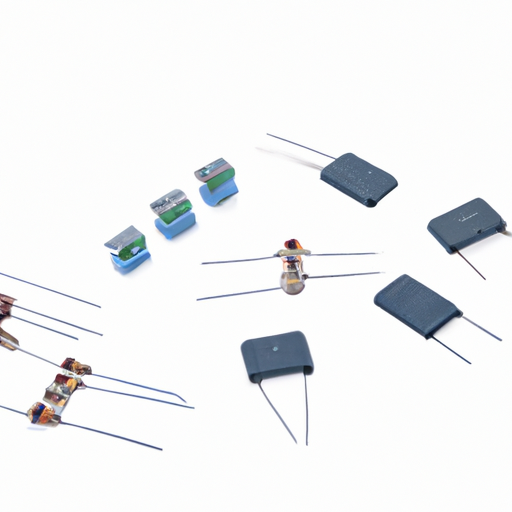
Resistor wiring equipment components are electronic components that resist the flow of electric current. They are used to manage voltage and current levels in circuits, ensuring that devices operate within their specified parameters. Resistors can be found in virtually every electronic device, from simple household appliances to complex industrial machinery.
1. **Fixed Resistors**: These resistors have a constant resistance value and are commonly used in circuits where a specific resistance is required.
2. **Variable Resistors**: Also known as potentiometers, these resistors allow users to adjust the resistance value, making them ideal for applications like volume controls in audio equipment.
3. **Specialty Resistors**: These include thermistors, photoresistors, and other specialized components designed for specific applications, such as temperature sensing or light detection.
Resistor wiring components are utilized across a wide range of industries, including consumer electronics, automotive, telecommunications, and industrial automation. Their versatility and reliability make them indispensable in modern electronic design.
Traditionally, purchasing models for electronic components were straightforward, often involving direct transactions between manufacturers and suppliers. However, as the electronics industry has evolved, so too have the purchasing practices.
The rise of globalization and technological advancements has led to a shift from traditional purchasing methods to more complex models. Companies now have access to a broader range of suppliers and purchasing options, allowing for more strategic sourcing decisions.
Technology has revolutionized the purchasing landscape, enabling real-time data analysis, automated procurement processes, and enhanced communication between buyers and suppliers. This has led to more efficient purchasing practices and improved supply chain management.
1. **Definition and Process**: Direct purchasing involves buying components directly from manufacturers. This model is often used for bulk orders or when specific components are required.
2. **Advantages and Disadvantages**: The primary advantage of direct purchasing is cost savings, as it eliminates intermediary markups. However, it may require larger minimum order quantities and can lead to longer lead times.
1. **Role of Distributors in the Supply Chain**: Distributors act as intermediaries between manufacturers and end-users, providing a wide range of components from various suppliers.
2. **Benefits of Using Distributors**: Purchasing through distributors offers advantages such as reduced lead times, access to a broader product range, and the ability to order smaller quantities.
1. **E-commerce Platforms and Their Significance**: The rise of e-commerce has transformed the purchasing landscape, allowing buyers to source components from anywhere in the world.
2. **Comparison with Traditional Purchasing Methods**: Online purchasing offers convenience and speed, but it may lack the personal touch and support that traditional purchasing methods provide.
1. **Concept and Implementation**: JIT purchasing involves ordering components only as they are needed in the production process, minimizing inventory costs.
2. **Benefits for Manufacturers and Suppliers**: This model can lead to reduced waste and improved cash flow, but it requires precise coordination between suppliers and manufacturers.
1. **Definition and Scenarios for Use**: Bulk purchasing involves buying large quantities of components at once, often to take advantage of lower prices.
2. **Cost Benefits and Risks**: While bulk purchasing can lead to significant cost savings, it also carries risks such as overstocking and potential obsolescence of components.
The quality and reliability of resistor wiring components are paramount, as they directly impact the performance of electronic devices. Buyers must consider the reputation of suppliers and the specifications of the components.
Cost is a significant factor in purchasing decisions. Buyers must balance the need for quality with budget constraints, often seeking the best value for their investment.
Building strong relationships with suppliers can lead to better pricing, improved service, and access to new products. A supplier's reputation for reliability and quality can significantly influence purchasing decisions.
Timely delivery of components is critical for maintaining production schedules. Buyers must consider lead times when selecting suppliers and purchasing models.
As technology evolves, the compatibility of components with existing systems becomes increasingly important. Buyers must stay informed about new developments and ensure that the components they purchase will integrate seamlessly into their designs.
The trend towards automation and digitalization is reshaping purchasing models, with more companies adopting automated procurement systems and digital platforms for sourcing components.
As environmental concerns grow, many companies are prioritizing sustainability in their purchasing decisions. This includes sourcing components from suppliers that adhere to eco-friendly practices.
The demand for customized solutions is on the rise, with buyers seeking components that meet specific requirements. Suppliers that offer tailored solutions are likely to gain a competitive edge.
Global sourcing allows companies to access a wider range of suppliers and components, but it also introduces challenges such as longer lead times and potential supply chain disruptions.
Recent global events have highlighted the vulnerability of supply chains, leading to increased challenges in sourcing components and maintaining inventory levels.
Ensuring the quality of components can be challenging, particularly when sourcing from multiple suppliers. Companies must implement robust quality control measures to mitigate risks.
Compliance with industry regulations and standards is essential for ensuring the safety and reliability of electronic components. Buyers must stay informed about relevant regulations and ensure that their suppliers adhere to them.
Market volatility can lead to unpredictable pricing for components, making it challenging for buyers to budget and plan their purchasing strategies effectively.
Buyers should conduct comprehensive market research to identify potential suppliers, understand pricing trends, and stay informed about new developments in the industry.
Establishing strong relationships with suppliers can lead to better pricing, improved service, and access to new products. Regular communication and collaboration are key to fostering these relationships.
Effective inventory management systems can help companies track component usage, optimize ordering processes, and reduce excess inventory.
Data analytics can provide valuable insights into purchasing trends, supplier performance, and market conditions, enabling buyers to make informed decisions.
Understanding the purchasing models for resistor wiring equipment components is essential for manufacturers and procurement professionals. As the industry continues to evolve, staying informed about trends, challenges, and best practices will be crucial for adapting to changing market dynamics. By leveraging the right purchasing models and strategies, companies can ensure they have the components they need to succeed in an increasingly competitive landscape.
A comprehensive list of sources and further reading materials on purchasing models and resistor wiring equipment components can be provided upon request. This will include industry reports, academic articles, and relevant websites that offer insights into the latest trends and practices in the field.