Language:en 
- zh-cn
- en
- ja
- fr
- ko
- de
- pt-pt
- es
FLAM Electronics



Heating resistors are essential components in a wide range of applications, from industrial machinery to consumer electronics. These devices convert electrical energy into heat through the process of resistance, making them crucial for various heating applications. Understanding the specifications of heating resistors is vital for engineers, designers, and manufacturers to ensure optimal performance and reliability in their systems. This article aims to provide a comprehensive overview of the latest heating resistor specifications, including their types, key characteristics, technological advancements, and applications.
A heating resistor is a type of electrical resistor specifically designed to generate heat when an electric current passes through it. The basic principle of operation relies on Joule's law, which states that the heat produced is proportional to the square of the current multiplied by the resistance (H = I²R).
When an electric current flows through a heating resistor, the electrical energy is converted into thermal energy due to the resistance offered by the material. This heat can then be used for various applications, such as warming up a space, heating fluids, or providing thermal energy in industrial processes.
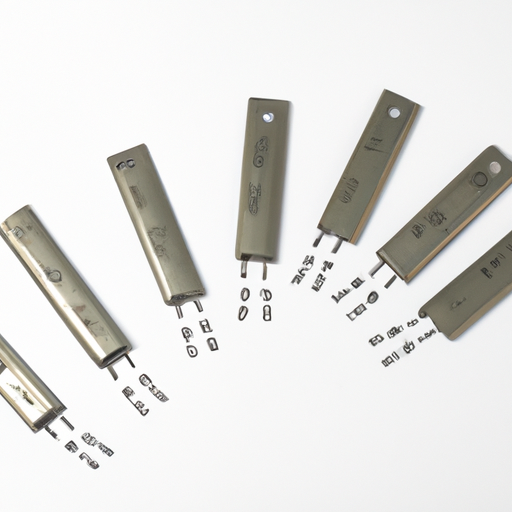
Heating resistors can be categorized into several types based on their construction and application. The most common types include wire-wound resistors, thick film resistors, and ceramic resistors. Each type has its unique characteristics and is suited for specific applications.
The performance and efficiency of heating resistors largely depend on the materials used in their construction. Some of the most common materials include:
NiCr is widely used in heating elements due to its excellent resistance to oxidation and high-temperature stability. It is often found in applications requiring high temperatures, such as industrial furnaces and heating coils.
Copper-nickel alloys are known for their good thermal conductivity and resistance to corrosion. They are commonly used in applications where rapid heating and cooling cycles are required.
Carbon-based heating resistors are gaining popularity due to their lightweight and high thermal efficiency. They are often used in applications where space is limited, such as in portable devices.
When selecting a heating resistor, several key specifications must be considered to ensure optimal performance.
The resistance value, measured in ohms (Ω), is a critical specification that determines how much current will flow through the resistor for a given voltage. It directly influences the amount of heat generated.
Tolerance indicates the allowable deviation from the nominal resistance value. A lower tolerance level means higher precision, which is essential in applications requiring accurate temperature control.
The power rating, measured in watts (W), indicates the maximum amount of power the resistor can handle without overheating. It is crucial for ensuring that the resistor operates within safe limits.
A resistor with a higher power rating can handle more current, resulting in greater heat generation. However, exceeding the power rating can lead to failure or reduced lifespan.
The temperature coefficient measures how much the resistance changes with temperature. It is expressed in parts per million per degree Celsius (ppm/°C). A low temperature coefficient is desirable for applications requiring stable performance across varying temperatures.
Heating resistors with a high temperature coefficient may experience significant resistance changes, affecting their heating efficiency and accuracy.
The maximum operating temperature indicates the highest temperature the resistor can withstand without degradation. Exceeding this limit can lead to failure, reduced efficiency, or even safety hazards.
Operating beyond the maximum temperature can cause physical damage to the resistor, such as melting or burning, and can compromise the entire system's safety and functionality.
The physical dimensions of heating resistors can vary significantly based on their design and application. Smaller resistors are often used in compact devices, while larger ones are suitable for industrial applications.
The size and shape of a heating resistor can affect its installation and integration into systems. Proper consideration of these factors is essential for ensuring efficient heat transfer and performance.
Recent advancements in materials science have led to the development of new alloys and composites that enhance the performance of heating resistors. These materials offer improved thermal conductivity, durability, and resistance to oxidation.
New materials are being engineered to provide better thermal management, allowing for more efficient heat generation and distribution. This is particularly important in applications where space and weight are critical factors.
The trend towards miniaturization has led to the creation of smaller heating resistors that can fit into tighter spaces without sacrificing performance. This is especially beneficial in consumer electronics and portable devices.
Compact heating resistors are increasingly used in modern electronics, such as smartphones, laptops, and wearable devices, where efficient heat management is essential for performance and user comfort.
The rise of the Internet of Things (IoT) has paved the way for smart heating resistors that can be integrated into connected systems. These resistors can communicate with other devices, allowing for real-time monitoring and control.
Smart heating resistors enable users to optimize energy consumption, enhance safety, and improve overall system performance through data-driven insights and automation.
Heating resistors find applications across various industries, each with unique requirements and challenges.
In industrial settings, heating resistors are used in processes such as metalworking, plastic molding, and food processing, where precise temperature control is essential for product quality.
Heating resistors are integral to machinery that requires temperature regulation, such as in injection molding machines and industrial ovens.
Heating resistors are commonly found in home appliances like toasters, ovens, and hair dryers, where they provide the necessary heat for cooking and styling.
In personal care devices, such as electric shavers and hair straighteners, heating resistors play a crucial role in delivering the desired temperature for effective performance.
Heating resistors are used in automotive applications to preheat engines in cold weather, ensuring efficient operation and reducing wear on components.
In vehicles, heating resistors are also employed in cabin heating systems, providing comfort to passengers during colder months.
Choosing the right heating resistor involves careful consideration of several factors.
Understanding the specific requirements of the application, such as power needs, temperature ranges, and physical constraints, is essential for selecting the appropriate resistor.
The operating environment, including temperature fluctuations, humidity, and exposure to chemicals, can significantly impact the performance and longevity of heating resistors.
One common mistake is underestimating the power requirements of the application, which can lead to inadequate heating and potential failure of the resistor.
Failing to consider the maximum temperature ratings can result in overheating and damage to the resistor, compromising the entire system's safety and functionality.
Understanding the specifications of heating resistors is crucial for ensuring optimal performance in various applications. As technology continues to advance, new materials and designs are emerging, offering enhanced efficiency and functionality. By staying informed about the latest trends and specifications, engineers and designers can make informed decisions that lead to improved performance and reliability in their systems. The future of heating resistor technology looks promising, with ongoing research and development paving the way for even more innovative solutions.
1. "Heating Resistors: Principles and Applications," Journal of Electrical Engineering.
2. "Advancements in Heating Resistor Technology," Materials Science Review.
3. "Understanding Heating Elements: A Comprehensive Guide," Electronics Today.
4. "The Role of Heating Resistors in Modern Electronics," IEEE Transactions on Industrial Electronics.
5. "Smart Heating Solutions: The Future of Thermal Management," IoT Journal.
This blog post provides a detailed overview of the latest heating resistor specifications, covering essential aspects from basic definitions to advanced technology trends and practical applications.