Language:en 
- zh-cn
- en
- ja
- fr
- ko
- de
- pt-pt
- es
FLAM Electronics
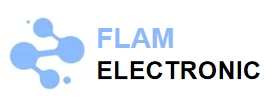


In an age where electronic devices are ubiquitous, the importance of recycling has never been more pronounced. Among the various components that make up electronic devices, resistors play a crucial role. However, the disposal of these components often leads to environmental concerns. This is where resistor recycling comes into play. Resistor recycling is the process of recovering valuable materials from discarded resistors, thereby reducing electronic waste and promoting sustainability. This article will delve into the significance of resistor recycling, the processes involved, the challenges faced, and the future of this essential practice.
Resistors are passive electronic components that limit the flow of electric current in a circuit. They are essential for controlling voltage and current levels, ensuring that electronic devices function correctly.
The primary function of a resistor is to provide resistance to the flow of electric current. This resistance is measured in ohms, and it helps to protect sensitive components from excessive current that could lead to damage.
There are several types of resistors, including fixed resistors, variable resistors (potentiometers), and specialty resistors (like thermistors and photoresistors). Each type serves a specific purpose in electronic circuits, from simple voltage dividers to complex signal processing.
Resistors are found in virtually every electronic device, from smartphones and computers to household appliances and industrial machinery. They are used in applications such as voltage regulation, signal conditioning, and current limiting.
In circuit design, resistors are fundamental components that help to ensure the stability and reliability of electronic systems. Their ability to control current flow is vital for the proper functioning of circuits, making them indispensable in modern electronics.
The rapid advancement of technology has led to an increase in electronic waste (e-waste). According to the Global E-Waste Monitor, approximately 53.6 million metric tons of e-waste were generated globally in 2019, and this number is expected to rise.
E-waste is one of the fastest-growing waste streams in the world, with only about 17% being recycled properly. The improper disposal of e-waste can lead to significant environmental harm, as many electronic components contain hazardous materials.
Resistors can contain harmful substances such as lead, cadmium, and other heavy metals. When these materials leach into the environment, they can pose serious health risks to humans and wildlife. Recycling resistors helps mitigate these risks by ensuring that hazardous materials are handled safely.
Resistor recycling allows for the recovery of valuable materials such as copper, gold, and silver. These materials can be reused in the production of new electronic components, reducing the need for virgin materials and conserving natural resources.
By recycling resistors, manufacturers can save on raw material costs and reduce waste disposal expenses. This not only benefits the environment but also enhances the overall sustainability of the manufacturing process.
The first step in the resistor recycling process is the collection of discarded electronic devices. This can be done through various methods, including drop-off centers, collection events, and partnerships with electronic retailers.
Once collected, the resistors must be sorted from other electronic components. This can be done manually or through automated systems that use advanced technologies to identify and separate resistors based on their type and material composition.
After sorting, the resistors are dismantled for processing. Mechanical methods involve physically breaking down the components, while chemical methods use solvents and other chemicals to extract valuable materials. Each method has its advantages and disadvantages, depending on the specific materials being recovered.
Safety is a critical aspect of the dismantling and processing phase. Workers must be trained to handle hazardous materials safely, and proper protective equipment must be used to minimize exposure to harmful substances.
The recycling process can recover various materials from resistors, including metals like copper, aluminum, and precious metals such as gold and silver. These materials can then be sold to manufacturers for reuse in new products.
Recovered materials can be used to produce new resistors or other electronic components, contributing to a circular economy where resources are reused rather than discarded.
One of the primary challenges in resistor recycling is the complexity of electronic components. Resistors are often integrated into larger assemblies, making it difficult to extract them for recycling.
The wide variety of resistor types and materials can complicate the recycling process. Different resistors may require different processing methods, which can increase costs and reduce efficiency.
The cost of setting up and maintaining recycling operations can be high. This includes expenses related to labor, equipment, and compliance with environmental regulations.
The market demand for recycled materials can fluctuate, impacting the economic viability of recycling operations. If demand is low, it may not be cost-effective to recycle certain materials.
Recycling operations must comply with various environmental regulations, which can vary by region. This can create additional challenges for recyclers, particularly those operating in multiple jurisdictions.
Establishing and maintaining certification and standards for recycled materials is essential for ensuring quality and safety. However, this can also add complexity and cost to the recycling process.
Recent advancements in recycling technology have led to the development of more efficient methods for processing resistors. Innovations such as automated sorting systems and advanced chemical extraction techniques are improving recovery rates and reducing costs.
Automation is playing an increasingly important role in the recycling industry. Automated systems can streamline the collection, sorting, and processing of resistors, making the recycling process more efficient and cost-effective.
Several companies have successfully implemented resistor recycling programs, demonstrating the potential for sustainability in the electronics industry. For example, major electronics manufacturers have established take-back programs that encourage consumers to return old devices for recycling.
These case studies provide valuable insights into best practices for resistor recycling, including the importance of collaboration between manufacturers, recyclers, and consumers.
As consumers become more environmentally conscious, there is a growing demand for sustainable practices in the electronics industry. This trend is driving innovation in recycling technologies and processes.
Legislation aimed at reducing e-waste and promoting recycling is also influencing the future of resistor recycling. Governments around the world are implementing stricter regulations to encourage responsible disposal and recycling of electronic components.
Consumers play a vital role in the resistor recycling process. By properly disposing of electronic devices and participating in recycling programs, individuals can help reduce e-waste and promote sustainability.
Raising awareness about the importance of resistor recycling is essential for encouraging consumer participation. Educational initiatives can help inform the public about the environmental impact of e-waste and the benefits of recycling.
In conclusion, resistor recycling is a critical component of sustainable electronics management. By recovering valuable materials and reducing electronic waste, resistor recycling contributes to a healthier environment and a more sustainable economy. As technology continues to evolve, the importance of recycling will only grow. It is essential for individuals, businesses, and governments to work together to promote resistor recycling and ensure a sustainable future for generations to come.
A comprehensive list of studies, articles, and additional resources can be provided for further reading on the topic of resistor recycling and its significance in the electronics industry.