Language:en 
- zh-cn
- en
- ja
- fr
- ko
- de
- pt-pt
- es
FLAM Electronics



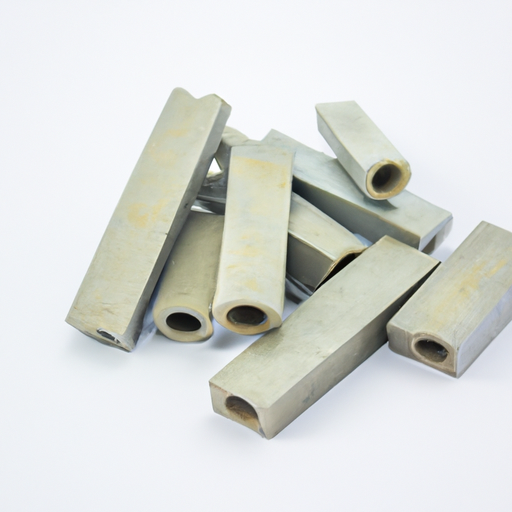
Cement resistors are essential components in various electronic and electrical applications, known for their durability and ability to handle high power levels. As with any electrical component, proper training in handling and using cement resistors is crucial to ensure safety and efficiency. This blog post will explore the key precautions necessary for effective cement resistor training, covering everything from understanding the product to safety measures, training procedures, and troubleshooting.
Cement resistors are typically made from a mixture of resistive materials, such as carbon or metal oxides, combined with a cement-like binder. This composition gives them their characteristic robustness and heat resistance. The manufacturing process involves molding the mixture into specific shapes and sizes, followed by curing to achieve the desired electrical properties.
Cement resistors can be categorized into two main types:
1. **Fixed Resistors**: These resistors have a predetermined resistance value and are commonly used in circuits where a stable resistance is required.
2. **Variable Resistors**: Also known as potentiometers, these allow for adjustable resistance, making them suitable for applications where fine-tuning is necessary.
Cement resistors find applications in various fields:
1. **Industrial Uses**: They are often used in power supplies, motor controls, and other heavy-duty applications due to their ability to withstand high temperatures and power levels.
2. **Consumer Electronics**: In devices like televisions and audio equipment, cement resistors help manage current flow and protect sensitive components.
When working with cement resistors, it is vital to wear appropriate personal protective equipment (PPE) to minimize risks:
1. **Gloves**: Protect your hands from sharp edges and potential chemical exposure.
2. **Safety Goggles**: Shield your eyes from dust and debris that may arise during handling or installation.
3. **Respirators**: In environments where dust or fumes are present, wearing a respirator can help protect your respiratory system.
Proper handling and storage of cement resistors are crucial to prevent accidents:
1. **Proper Lifting Techniques**: Always lift heavy resistors using your legs, not your back, to avoid injury.
2. **Storage Conditions**: Store resistors in a dry, cool place, away from direct sunlight and moisture, to maintain their integrity.
Understanding electrical safety is paramount when working with cement resistors:
1. **Understanding Voltage Ratings**: Always be aware of the voltage ratings of the resistors you are using to prevent overloads.
2. **Avoiding Short Circuits**: Ensure that connections are secure and insulated to prevent short circuits, which can lead to equipment damage or personal injury.
Before working with cement resistors, individuals should undergo initial training that includes:
1. **Basic Electrical Knowledge**: Understanding fundamental electrical concepts, such as voltage, current, and resistance, is essential.
2. **Familiarity with Equipment**: Trainees should become acquainted with the tools and equipment used in conjunction with cement resistors.
Practical experience is invaluable in cement resistor training:
1. **Practical Demonstrations**: Instructors should provide demonstrations on how to properly handle and install cement resistors.
2. **Supervised Practice Sessions**: Allow trainees to practice under supervision to reinforce their learning and build confidence.
Continuous learning is vital in the ever-evolving field of electronics:
1. **Refresher Courses**: Regular refresher courses can help reinforce knowledge and skills.
2. **Staying Updated with Industry Standards**: Encourage trainees to keep abreast of the latest industry standards and technological advancements.
One common mistake is misinterpreting resistance values. It is crucial to understand that resistance is not a one-size-fits-all measurement; different applications require different resistance levels.
Manufacturers provide specific guidelines for the use of their products. Ignoring these can lead to improper usage and potential failures.
Environmental conditions, such as temperature and humidity, can significantly affect the performance of cement resistors. Always consider these factors when selecting and using resistors.
Quality assurance is critical in ensuring that cement resistors perform as expected. Regular quality checks can prevent failures and enhance reliability.
Testing should include:
1. **Visual Inspection**: Check for any physical damage or defects before installation.
2. **Electrical Testing**: Conduct electrical tests to verify that the resistor meets its specified resistance value.
Maintain thorough documentation of testing procedures and results. This practice not only ensures accountability but also aids in troubleshooting and quality control.
Common issues with cement resistors include:
1. **Overheating**: This can occur due to excessive current or inadequate heat dissipation.
2. **Physical Damage**: Inspect resistors for cracks or breaks that may affect performance.
To ensure longevity and reliability:
1. **Regular Inspections**: Schedule routine inspections to identify potential issues before they escalate.
2. **Cleaning Procedures**: Keep resistors clean and free from dust and debris to maintain optimal performance.
In conclusion, proper training and adherence to safety precautions are essential when working with cement resistors. Understanding the composition, types, and applications of these components, along with implementing safety measures and ongoing education, can significantly reduce risks and enhance performance. By fostering a culture of continuous learning and awareness, individuals can ensure they are well-equipped to handle cement resistors safely and effectively.
To further enhance your understanding of cement resistors and their applications, consider exploring the following resources:
1. **Industry Standards and Guidelines**: Refer to organizations such as the Institute of Electrical and Electronics Engineers (IEEE) for standards related to electrical components.
2. **Recommended Reading Materials**: Books on electrical engineering and component design can provide deeper insights.
3. **Online Resources for Further Learning**: Websites like Electronics Tutorials and educational platforms offer valuable information and courses on electrical components and safety practices.
By following these guidelines and continuously seeking knowledge, you can ensure safe and effective use of cement resistors in your projects.