Language:en 
- zh-cn
- en
- ja
- fr
- ko
- de
- pt-pt
- es
FLAM Electronics



In the world of electronics, chip resistors play a crucial role in ensuring the proper functioning of devices. These tiny components, often overlooked, are essential for controlling current flow and voltage levels in various applications. As technology advances, the demand for high-quality chip resistors continues to grow, leading to fluctuations in their purchase prices. This article aims to explore the current market prices of the latest chip resistors, the factors influencing these prices, and future trends that may affect the electronics industry.
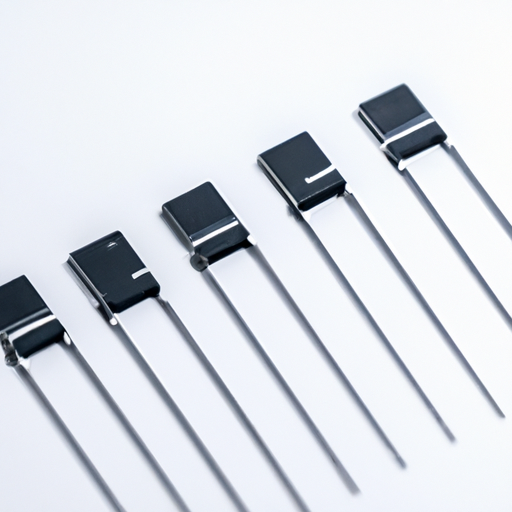
Chip resistors are miniature electronic components that provide resistance in a circuit. They are typically made from a combination of conductive materials and substrates, allowing them to be compact and efficient. The construction of chip resistors involves layering materials to create a resistive element, which is then encapsulated to protect it from environmental factors.
Chip resistors are usually rectangular in shape and come in various sizes, measured in millimeters. Their small form factor makes them ideal for surface-mount technology (SMT), allowing for automated assembly in electronic devices. The construction process involves depositing a resistive film onto a ceramic substrate, followed by cutting the film to achieve the desired resistance value.
There are several types of chip resistors, each with unique characteristics:
Thick Film Resistors: These are the most common type, made by printing a thick layer of resistive material onto a substrate. They are cost-effective and suitable for a wide range of applications.
Thin Film Resistors: These resistors are made by depositing a thin layer of resistive material, offering higher precision and stability. They are often used in high-end applications where accuracy is critical.
Wirewound Resistors: These consist of a wire wound around a core, providing high power ratings and excellent performance in specific applications.
Chip resistors are used in various industries, including:
From smartphones to laptops, chip resistors are integral to consumer electronics, ensuring devices operate efficiently and reliably.
In modern vehicles, chip resistors are used in various systems, including engine control units, safety features, and infotainment systems, contributing to overall vehicle performance.
Chip resistors are essential in industrial equipment, where they help manage power and signal processing in machinery and control systems.
In telecommunications, chip resistors are used in devices such as routers and switches, ensuring stable signal transmission and reception.
Several factors contribute to the pricing of chip resistors, making it essential for buyers to understand these dynamics.
The materials used in chip resistors significantly impact their cost. High-quality conductive materials and substrates can increase production costs, which may be reflected in the final price.
Common conductive materials include metal oxides and carbon, with variations in quality affecting performance and price.
Ceramic substrates are widely used due to their stability and durability, but alternative materials may offer cost savings at the expense of performance.
The methods used to manufacture chip resistors also influence their pricing.
Advanced manufacturing technologies can reduce production costs and improve efficiency, leading to lower prices for consumers.
Mass production often results in economies of scale, allowing manufacturers to offer competitive pricing. Conversely, low-volume production can lead to higher costs.
The specific characteristics of chip resistors, such as resistance values, tolerance levels, and power ratings, can also affect their pricing.
Higher resistance values may require more complex manufacturing processes, impacting the overall cost.
Resistors with tighter tolerance levels (greater accuracy) typically command higher prices due to the precision required in their production.
Chip resistors designed to handle higher power levels are often more expensive due to the materials and construction techniques involved.
The electronics market is subject to fluctuations in demand and supply, which can significantly impact chip resistor prices.
As technology evolves, the demand for specific types of chip resistors may increase, leading to price changes.
Recent global events, such as the COVID-19 pandemic, have disrupted supply chains, causing shortages and price increases for many electronic components, including chip resistors.
The pricing of chip resistors has seen notable changes over the years, influenced by various market factors.
Historically, chip resistor prices have fluctuated based on material costs, manufacturing advancements, and market demand.
In recent months, prices have experienced volatility due to supply chain disruptions and increased demand for electronic devices.
The price of chip resistors varies widely based on type and specifications.
Low-end chip resistors can be found for as little as a few cents each, while high-end models may cost several dollars, depending on their specifications.
Prices can vary significantly between manufacturers, with some offering premium products at a higher cost due to brand reputation and quality assurance.
For example, a standard 0603 thick film resistor may cost around $0.05, while a high-precision thin film resistor of the same size could be priced at $0.50 or more.
When evaluating chip resistors, it is essential to consider the price-performance ratio, ensuring that the chosen component meets the required specifications without overspending.
The internet has made it easier than ever to purchase chip resistors.
Websites like Digi-Key, Mouser, and Newark offer extensive catalogs of chip resistors, allowing buyers to compare prices and specifications easily.
Purchasing directly from manufacturers can sometimes yield better prices, especially for bulk orders.
Local suppliers can provide immediate access to chip resistors, which is beneficial for urgent projects.
Buying in bulk can lead to significant cost savings, making it an attractive option for businesses and hobbyists alike.
When purchasing chip resistors, buyers should consider factors such as minimum order quantities, shipping costs, and lead times to ensure a smooth procurement process.
As manufacturing technologies continue to evolve, we can expect improvements in efficiency and reductions in production costs, potentially leading to lower prices for consumers.
With the ongoing growth of the electronics industry, demand for chip resistors is likely to remain strong, which may keep prices stable or even increase them in the short term.
Geopolitical tensions and trade policies can impact the availability and pricing of chip resistors, making it essential for buyers to stay informed about global events.
In summary, chip resistors are vital components in modern electronics, and their purchase prices are influenced by various factors, including material composition, manufacturing processes, and market dynamics. Understanding these elements can help buyers make informed decisions when purchasing chip resistors. As the electronics industry continues to evolve, staying informed about pricing trends will be crucial for both manufacturers and consumers alike.
For further reading, consider exploring industry reports, market analysis documents, and manufacturer specifications and datasheets to gain deeper insights into chip resistors and their pricing dynamics.