Language:en 
- zh-cn
- en
- ja
- fr
- ko
- de
- pt-pt
- es
FLAM Electronics


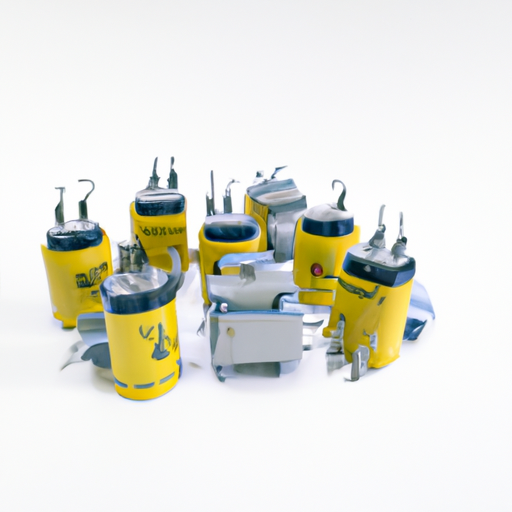
Air conditioning systems are essential for maintaining comfortable indoor environments, especially during hot summer months. One of the critical components that ensure these systems operate efficiently is the capacitor. Capacitors play a vital role in HVAC systems by providing the necessary electrical energy to start and run the compressor and fan motors. This article aims to explore popular models of air conditioning capacitors, their specifications, and considerations for selection and maintenance.
A capacitor is an electrical component that stores and releases electrical energy. In air conditioning systems, capacitors are used to manage the electrical current that powers the motors. They help in starting the motors and maintaining their operation, ensuring that the system runs smoothly.
1. **Start Capacitors**: These capacitors provide a boost of energy to start the compressor motor. They are typically used for a short duration and are disconnected once the motor reaches its operating speed.
2. **Run Capacitors**: Unlike start capacitors, run capacitors remain in the circuit while the motor is running. They help improve the efficiency of the motor by providing a continuous supply of energy.
3. **Dual Run Capacitors**: These capacitors combine the functions of both start and run capacitors in a single unit. They are commonly used in systems where space is limited.
Capacitors are crucial for the efficient operation of air conditioning systems. They help in reducing energy consumption, improving motor performance, and extending the lifespan of the equipment. A malfunctioning capacitor can lead to poor performance, increased energy costs, and potential damage to the HVAC system.
When selecting air conditioning capacitors, several key specifications must be considered:
Capacitors come with different voltage ratings, which indicate the maximum voltage they can handle. It is essential to choose a capacitor with a voltage rating that matches or exceeds the requirements of the HVAC system.
The microfarad rating indicates the capacitance value of the capacitor. This value is crucial for ensuring that the capacitor can provide the necessary energy for the motor's operation. Each motor has specific µF requirements, and using the wrong rating can lead to inefficiency or failure.
Tolerance levels indicate how much the actual capacitance can vary from the stated value. A lower tolerance level means more precision, which is essential for optimal performance.
The physical size and mounting options of the capacitor are also important. Capacitors must fit within the designated space in the HVAC system, and the mounting style should be compatible with the existing setup.
1. **Model: Supco SPP6**
- **Features and Specifications**: The Supco SPP6 is a 70 µF start capacitor with a voltage rating of 370V. It is designed for use in various air conditioning and refrigeration applications.
- **Applications and Compatibility**: This model is compatible with many single-phase motors and is known for its reliability and performance.
2. **Model: Genteq 97F9830**
- **Features and Specifications**: The Genteq 97F9830 is a 30 µF start capacitor with a voltage rating of 370V. It features a durable construction and is designed for high-performance applications.
- **Applications and Compatibility**: This capacitor is suitable for use in various HVAC systems, providing a reliable start for compressor motors.
1. **Model: Genteq 97F9840**
- **Features and Specifications**: The Genteq 97F9840 is a 40 µF run capacitor with a voltage rating of 370V. It is designed for continuous operation and features a high-quality build for durability.
- **Applications and Compatibility**: This model is widely used in air conditioning systems and is compatible with various motor types.
2. **Model: Mars 12000**
- **Features and Specifications**: The Mars 12000 is a 35 µF run capacitor with a voltage rating of 370V. It is known for its compact design and efficient performance.
- **Applications and Compatibility**: This capacitor is suitable for both residential and commercial HVAC systems, providing reliable operation.
1. **Model: Genteq 97F9841**
- **Features and Specifications**: The Genteq 97F9841 is a dual run capacitor with a capacitance of 45/5 µF and a voltage rating of 370V. It is designed for use in systems that require both start and run capabilities.
- **Applications and Compatibility**: This model is ideal for air conditioning units and heat pumps, providing efficient performance in a compact design.
2. **Model: Supco DRC1**
- **Features and Specifications**: The Supco DRC1 is a dual run capacitor with a capacitance of 45/5 µF and a voltage rating of 370V. It features a robust construction for long-lasting performance.
- **Applications and Compatibility**: This capacitor is compatible with a wide range of HVAC systems, making it a versatile choice for many applications.
When selecting air conditioning capacitors, several factors should be taken into account:
Ensure that the capacitor you choose is compatible with your existing HVAC system. Check the specifications of your current capacitor and match them with the new one.
Opt for capacitors from reputable manufacturers known for their quality and reliability. Investing in a high-quality capacitor can save you money in the long run by reducing the risk of failure.
While it may be tempting to choose the cheapest option, consider the long-term costs associated with lower-quality capacitors. A more expensive, reliable capacitor may provide better performance and longevity.
Look for capacitors that come with a warranty and good customer support. This can provide peace of mind and assistance in case of any issues.
Recognizing the signs of capacitor failure is crucial for maintaining your HVAC system. Common symptoms include:
- The air conditioning unit fails to start.
- Unusual noises coming from the unit.
- The system runs but does not cool effectively.
- Frequent tripping of circuit breakers.
Regular maintenance of your HVAC system, including the capacitors, can help prevent failures and extend the lifespan of the equipment. Schedule routine inspections and cleanings to keep your system running efficiently.
If you need to replace a capacitor, follow these steps:
1. Turn off the power to the HVAC system.
2. Discharge the capacitor by shorting the terminals with an insulated screwdriver.
3. Remove the old capacitor and install the new one, ensuring proper connections.
4. Restore power and test the system.
While some homeowners may feel comfortable replacing capacitors themselves, it is often best to hire a professional. HVAC technicians have the expertise and tools to ensure safe and effective replacement.
Capacitors are essential components of air conditioning systems, playing a critical role in their operation and efficiency. Understanding the different types of capacitors, their specifications, and popular models can help you make informed decisions when selecting replacements. Regular maintenance and timely replacement of capacitors can enhance the performance and longevity of your HVAC system, ensuring a comfortable indoor environment for years to come.
- Manufacturer websites and product specifications
- HVAC industry publications and resources
- Technical manuals and guides on air conditioning systems
By understanding the importance of capacitors and the options available, you can ensure that your air conditioning system operates at its best, providing comfort and efficiency in your home or business.